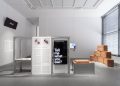
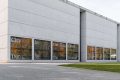
Presented at the Pinakothek der Moderne, this exhibition looked beneath the surface of the digital world: how data is stored, how it circulates, and how its infrastructure shapes our reality. Data feels immaterial, yet it relies on vast physical systems—raw material extraction, undersea cables, and ever-growing, energy-hungry data centers.
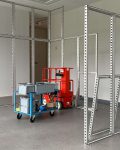
The exhibition is structured around three themes: Elemental, Spatial, and Temporal. Spatially, the exhibition follows these chapters, dedicating one of the three gallery spaces to each. The same modular frame system is used throughout the exhibition, but takes on a distinct configuration in each chapter.
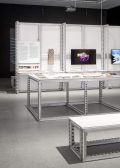
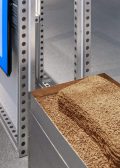
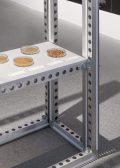
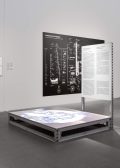
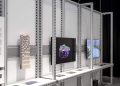
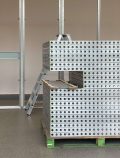
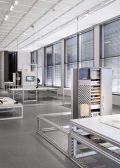
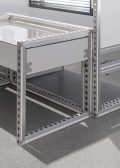
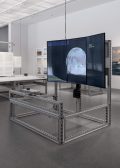
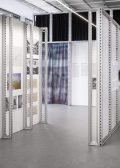
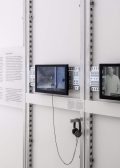
The exhibition’s design draws on the utilitarian aesthetics of data infrastructure. A rented modular frame system commonly used for trade fair stands forms the backbone of the display. Unlike typical trade fair setups, the frames are left exposed: metal frameworks, cabling, and screens remain visible, becoming part of the exhibition’s spatial language. Text, illustrations, and graphics are printed on large cardboards and attached directly to the frames using Velcro tape, forming walls that divide the spaces.
When the exhibition closed in March 2026, the frames were collected by the company in order to be reused at future trade shows and events, leaving behind little more than a few sheets of cardboard.
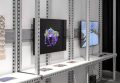
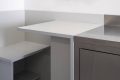
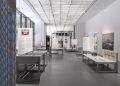
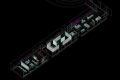
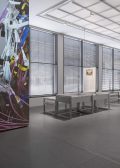
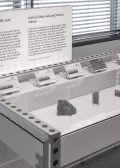
Elemental The first space draws on the idea of a Wunderkammer. A diverse range of exhibits—minerals, cable segments, tools, paintings, and various storage media—is displayed across a sequence of primarily horizontal vitrines. Daylight is partially screened by roll-down shutters, creating a controlled atmosphere that focuses attention on the objects and their material qualities.
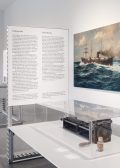
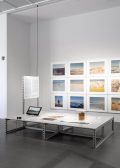
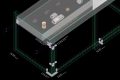
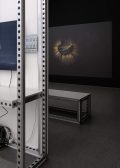
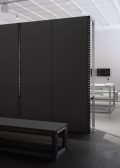
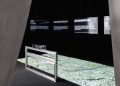
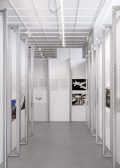
Spatial The second gallery refers directly to the architecture of data centres, with their densely arranged server racks. Here, the frame system creates an enclosed space within the gallery, composed of a sequence of walls sub-divided into bays that showcase graphic material. The exterior-facing sides of this structure display a photo project, benefiting from natural light and providing passers-by outside the museum with views inside. At one end of the “server room,” a darkened space is separated off to house an interactive installation.
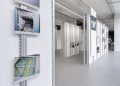
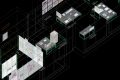
Temporal In the third space, the frame system is arranged into a set of modular elements that accommodate a variety of exhibits. This room also provides an area for individual engagement, with a reading table, reference materials, and seating. Toward the back of the gallery, a partitioned zone is dedicated to the projection of a film, concluding the exhibition.